Details
GTCA highlights youth-led actions breaking barriers to health services in West Africa.
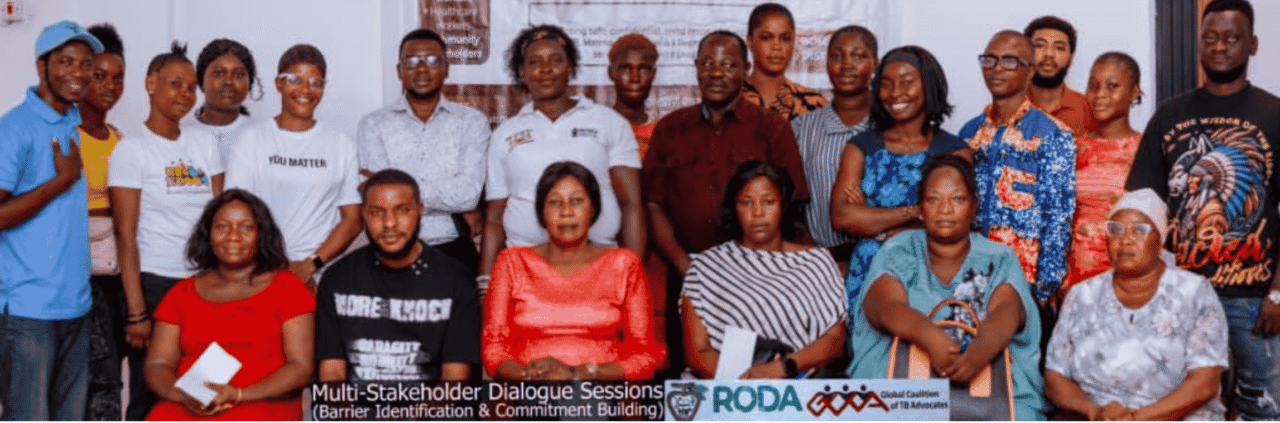
In West Africa, led by the Global Coalition of TB Advocates (GCTA) under the guidance of Blessina Kumar, CEO of GCTA, with support from The Global Fund and in collaboration with the Thomson Reuters Foundation, selected grantees have officially commenced implementation of grassroots projects focused on breaking down barriers to health services. Young people and community organizations are advancing community-led responses to HIV, tuberculosis (TB), and malaria through advocacy, accountability, stigma reduction, health education, and improved access to healthcare services.
Launched on January 15 th , the Youth Grant Hub West Africa Initiative began with rigorous proposal evaluation led by the 6-membered Youth Grant Review Panels constituted in collaboration with the Country Coordinating Mechanism to identify youth-led and community-based organizations working to strengthen equitable and inclusive health responses across the region.
 Selected grantees under the initiative include Parkers Mobile Clinic (PMC), Bashaa’ir Wellness Foundation (BWF), and the Association of Positive Youths Living with HIV/AIDS in Nigeria (APYIN) from Nigeria; Youth Network for Positive Change (YOUNETPO) and Take Poverty Out of Liberia (TPOL) from Liberia; Rofutha Development Association Sierra Leone, The Welfare Society for the Disabled Sierra Leone (WESOFOD), and HAPPY Kids and Adolescents from Sierra Leone; as well as Savana Signatures, Ghana National TB Voice Network, and Equity Net Ghana from Ghana.
Through locally driven initiatives, these organizations are engaging communities through stakeholder dialogues, youth trainings, radio discussions, community outreach activities, active case finding, disability inclusion programmes, caregiver sensitization activities, adolescent advocacy trainings, and grassroots advocacy efforts aimed at breaking down barriers to health services.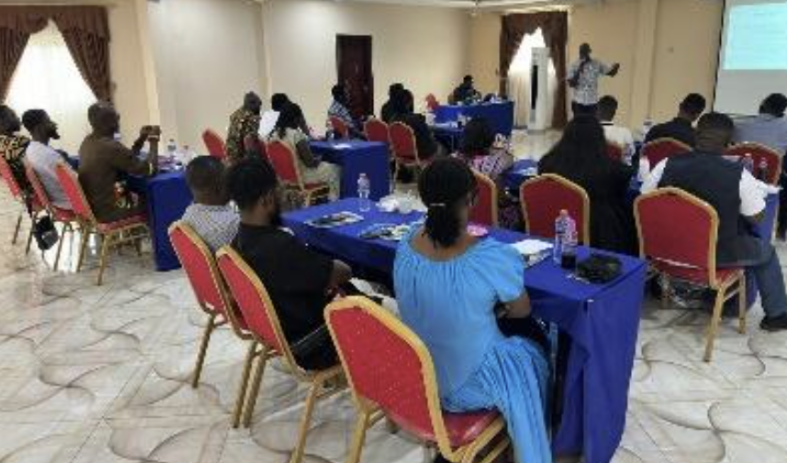
In Ghana, Equity Net Ghana convened frontline stakeholders in Kumasi under the “Breaking Down Barriers to Health Services” programme to address growing concerns around HIV awareness, stigma, discrimination, and access to healthcare services for young key populations and people living with HIV.
The one-day engagement brought together health workers, journalists, police officers, CHRAJ officials, Assembly Members, religious leaders, and community representatives for open and solution-focused discussions on strengthening Ghana’s HIV response and protecting access to essential health services. Participants highlighted the urgent need to expand community education, strengthen confidentiality protections, reduce stigma and discrimination, and ensure young people and key populations can safely access healthcare services without fear.
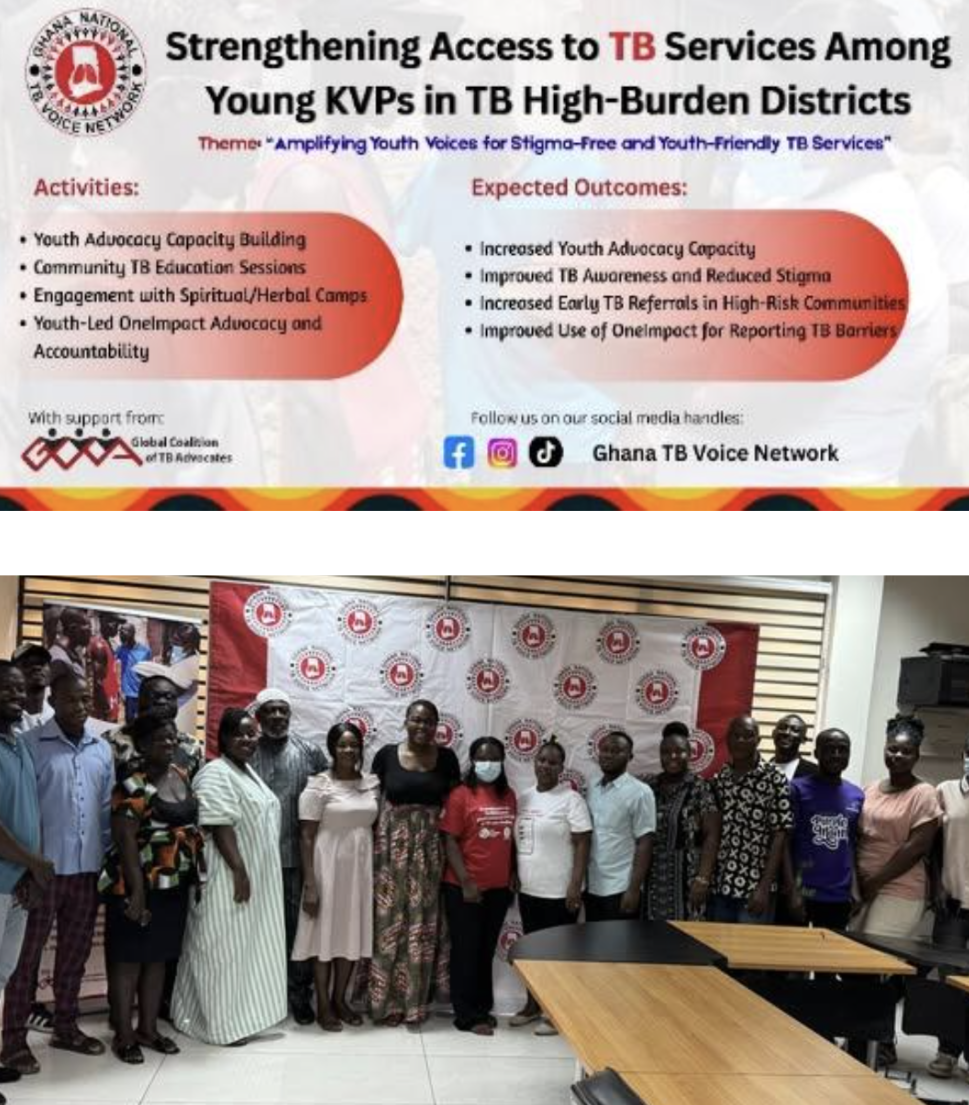 In another youth-led effort in Ghana, the Ghana National TB Voice Network conducted a Youth TB Advocacy Capacity Building Training under the project “Strengthening Access to TB Services Among Young KVPs in TB High-Burden Districts.” Youth volunteers from Greater Accra, Ashanti, Central, and Western regions were trained on TB advocacy, stigma reduction, digital
storytelling, community engagement, and the use of the OneImpact platform for community-led accountability. The volunteers are now leading outreach activities in mining communities, ghettos, spiritual and herbal camps, and other high-risk settings to improve awareness, encourage early referral, and strengthen access to TB services for young people.
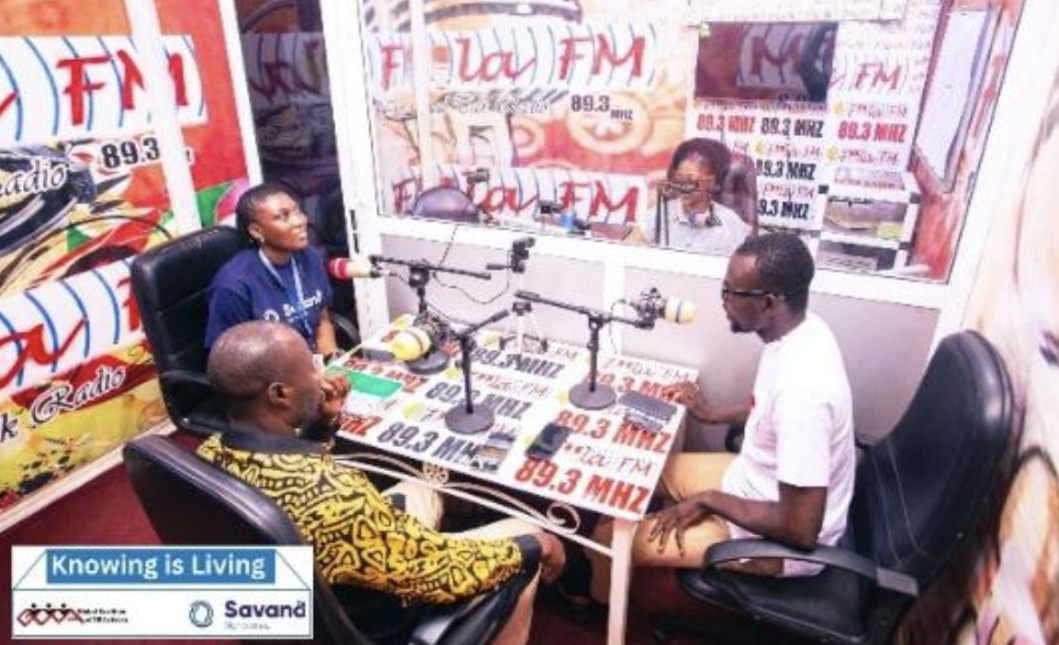
Youth-led media engagement led by Savana is also helping to expand HIV awareness efforts in Ghana. Through a live radio discussion under the “Knowing is Living” project, young people were provided with a safe platform to discuss HIV testing, prevention, treatment, positive living, and harmful misconceptions surrounding HIV. The programme encouraged participants to know their status without fear, judgement, or discrimination.
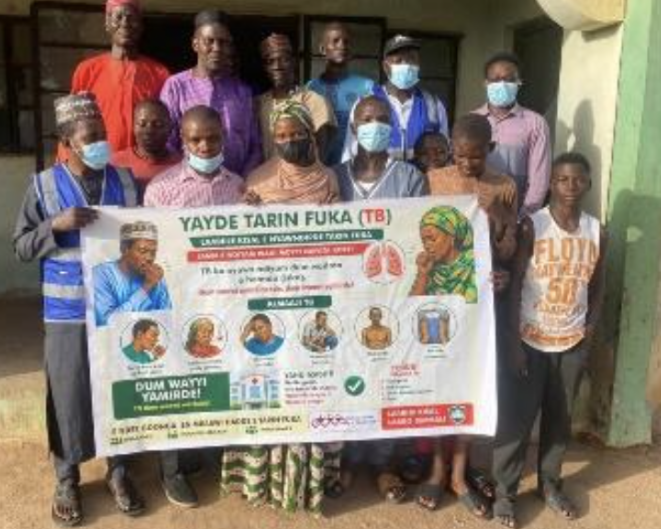
In Nigeria, Bashaa’ir Wellness Foundation (BWF) trained community volunteers and Primary Healthcare Facility workers, including TB DOT officers, on TB identification, screening procedures, referral systems, documentation, and active case finding.
The organization later conducted a community TB outreach in Bauchi State in collaboration with Society for Family Health using a portable digital X-ray machine to support TB screening and early diagnosis.
Amidst the limited funding challenges the members from the Association of Positive Youths Living with HIV/AIDS in Nigeria (APYIN) found ways to reach out to the community through virtual meetings and also successfully conducted a virtual inception meeting for the Faith Forward Project with key stakeholders from the state. As part of the next phase of implementation, a town hall policy dialogue with faith leaders has been scheduled to strengthen engagement on HIV-related issues and community advocacy efforts.
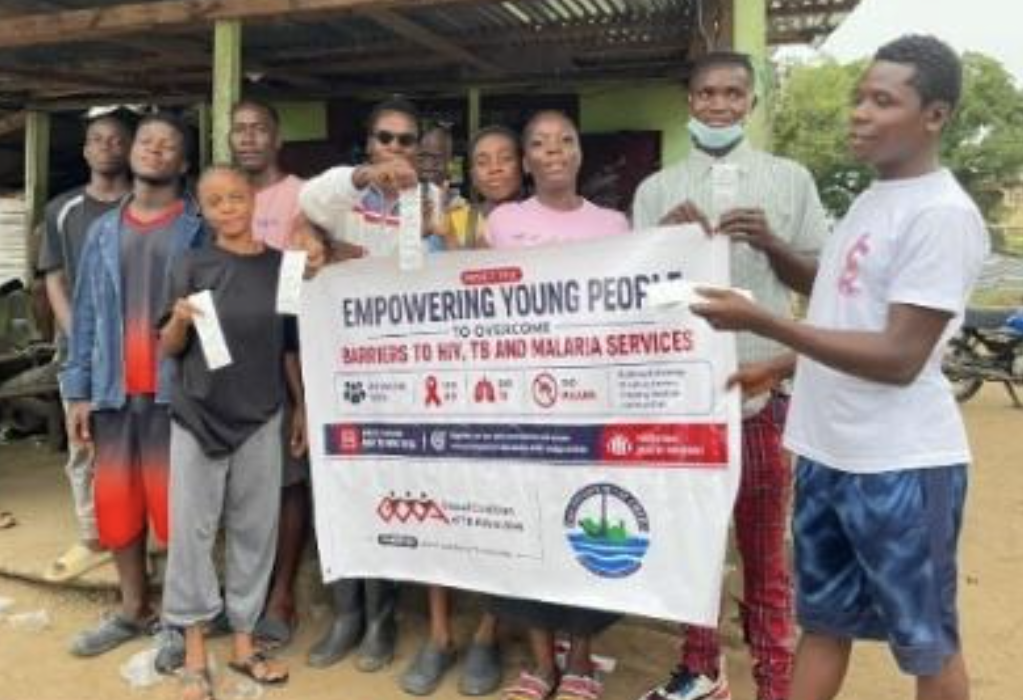
In Liberia, Take Poverty Out of Liberia (TPOL) conducted several community outreach activities in Cotton Tree Community, Thinker Village Community, and Duport Road Community in Paynesville City under the “Breaking Down Barriers to Health Services” initiative. Young people, local leaders, and community residents came together for discussions on HIV prevention, TB awareness, malaria prevention, stigma reduction, sexual health, hygiene, and the importance of seeking healthcare services without fear or discrimination. Preventive and educational materials were also distributed to strengthen awareness and support healthier community practices.
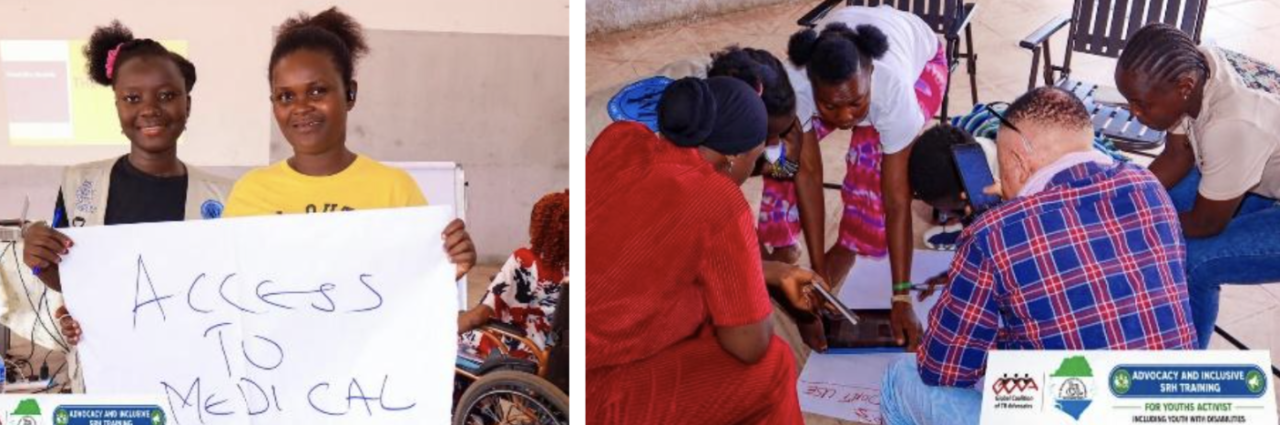
Furthermore, in Sierra Leone, youth groups participating in the PUSH Project completed a two-day capacity-building training in
Kambia focused on inclusive sexual and reproductive health rights, particularly for young people with disabilities. The training strengthened participants’ knowledge on disability inclusion, youth-led advocacy, and community engagement to help improve equitable access to sexual and reproductive health services.
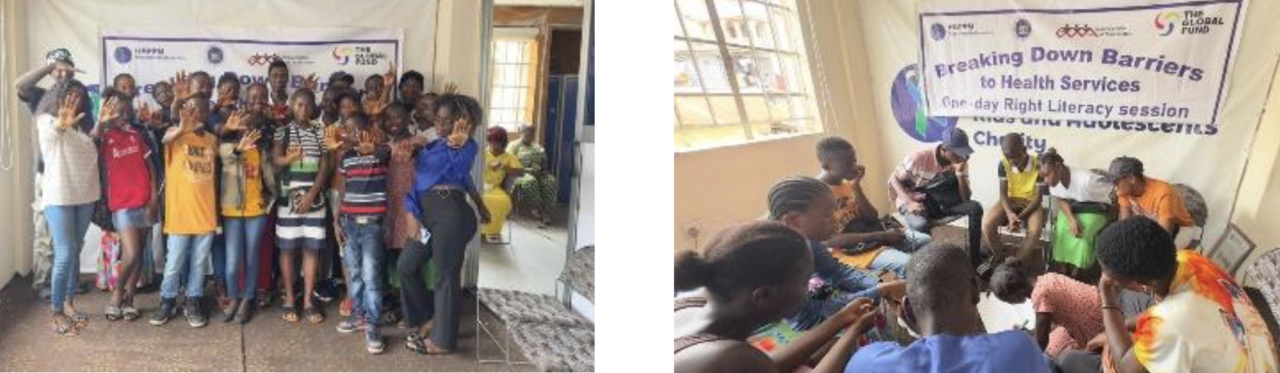
Additional community-led activities were also implemented by HAPPY Kids and Adolescents in Sierra Leone through caregiver and adolescent trainings focused on the Patient Rights Charter and the HIV & AIDS Act. Across multiple health facilities, caregivers and adolescents participated in highly interactive sessions aimed at strengthening awareness of patient rights, encouraging advocacy, and empowering young people to address barriers affecting children and adolescents within the HIV response.
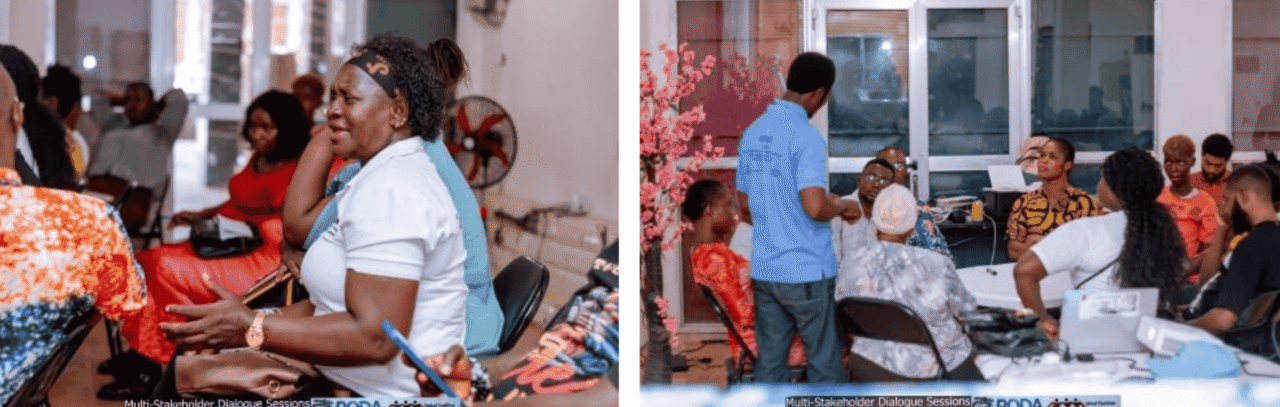
Rofutha Development Association Sierra Leone also convened a multi-stakeholder dialogue under the project “Breaking Down Stigma: Advancing Youth-Friendly and Non-Discriminatory SRH Services in Sierra Leone.” The dialogue brought together youth led organizations, healthcare workers, and female sex workers to discuss the urgent need for inclusive, respectful, and stigma-free sexual and reproductive health services. Discussions focused on reducing discrimination in healthcare settings, strengthening youth-friendly services, promoting dignity and human rights, and building trust between healthcare providers and communities.
Implemented through youth-led and community-based partnerships across West Africa, these initiatives continue to expand access to health services, foster dialogue, and support more inclusive and rights-based responses to HIV, TB, and malaria. Across the region, young leaders and community organizations are demonstrating how locally driven action can challenge stigma, strengthen accountability, and create meaningful change within their communities.