Summary
Field Note by Nawang Yanga
Outside of Tibet, India hosts the largest Tibetan population globally. Following the 1959 mass exodus, the Tibetan diaspora in India has been disproportionately affected by TB. In this field dispatch from Dharamsala, a Tibetan scholar shares how she came to think about local responses to TB as a form of communal resilience. Here, TB is not just a diagnosis; treatment is not just medicine.
I spent the summer of 2025 in Dharamsala, India, to appreciate Tibetans experiences with TB and the contexts in which they receive treatment. There are 39 Tibetan settlements in India, that are now home to thousands of the diaspora. I chose Dharamsala for its proximity to the Tibetan Government-in-Exile and other key institutions. My fieldwork led me to the notion of community resilience (Norris 2008) – how settled refugees from Tibet who are affected by TB, as patients and providers, adapt and function in the face of disturbance. I share three field notes jotted during my observations at Tibetan Delek Hospital, where I spent most of my time and observed resilience in action. These observations, among many others, are bringing richness to my PhD analysis. I invite readers to read them, not so much as a view into my “findings”; rather, a reminder on the value of note-taking, memo-ing and reflection as being critical to the qualitative process.
The TB clinic at Delek Hospital
Delek Hospital started out as a one-room clinic with no trained medical personnel. Today it is a multi-facility hospital with 33 patient beds. I am spending time at the TB clinic. It is physically isolated, some steps away from the main hospital. Only people with TB or under investigation for TB are seen here. Above me are dormitory-style rooms for those who must be admitted and require more intensive care.
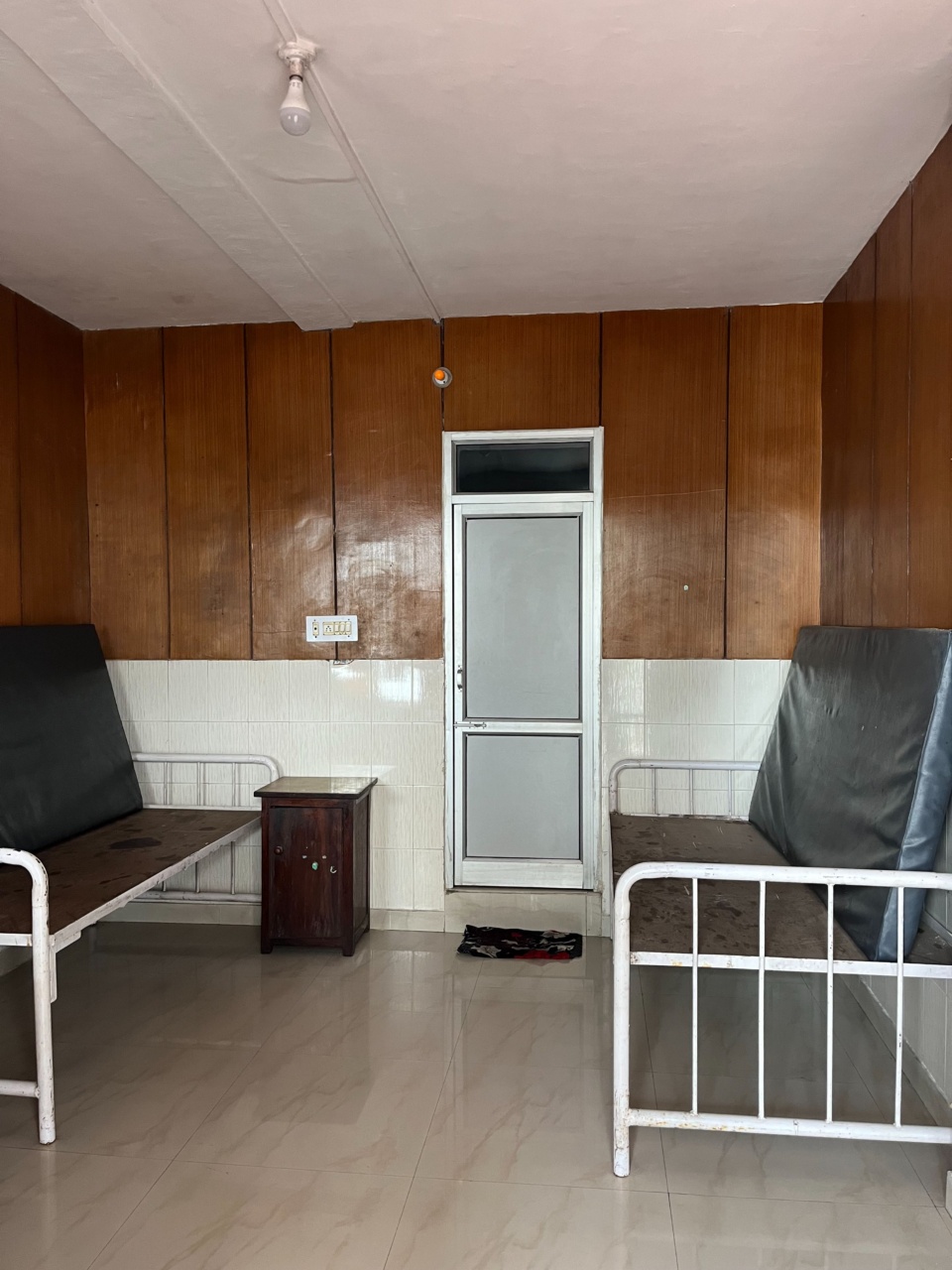
Image 1. Inside the TB clinic at Tibetan Delek Hospital in Dharamsala.
My day starts at 8 a.m., when the doctors and head matron gather for daily rounds. Promptly and routinely, the room chants a refuge prayer in Tibetan for the betterment and benefit of all sentient beings. I am familiar with this prayer; after all, I am Tibetan. I have spent all of my life in Toronto, but part of me feels very much at home here. It is comforting. It brings me closer to the people around me. I feel stronger. I wonder if it brings strength to every Tibetan, being in a place where so many of us are, where we are the majority. Where we are the patient and the provider and researcher. Patient charts are being meticulously reviewed, one by one. All the data lives on paper; I can now recognize the distinct sound of the doctor in charge flipping through charts.
The TB nurses are busy with what seems like never-ending paperwork and umpteen duties. I try to make myself useful until a potential participant comes into the clinic and/or a nurse directs me to one.
People are generally very happy to talk to me. I think it is mostly due to the nurses’ ability to maintain close relationships with their patients, and my Tibetan-ness. Just once, I faced resistance. The patient assumes I am a foreigner. Maybe it is my mask. His concerns are quickly abated when I start to speak in Tibetan. I am reminded of my mixed insider-outsider role. I share that I am a student – not from Dharamsala, but my appearance and language are crucial to establishing an initial trust.
My visit to Nyingtob-ling
One of the people who has been living in the inpatient unit upstairs is an older woman from Nyingtob-ling, a nearby school for Tibetan persons with disabilities. The team from Delek conducts a rigorous case-finding routine, as they usually do in situations involving a school.
I am able to accompany the team of three nurses and one physician to Nyingtob-ling. We started bright and early. A hospital provider who also subs as a driver and handyman drives the five of us down the winding roads to Nyingtob-ling.
On the way, the nurses pick up fruits and snacks for the residents from their own pockets. A gesture of kindness.
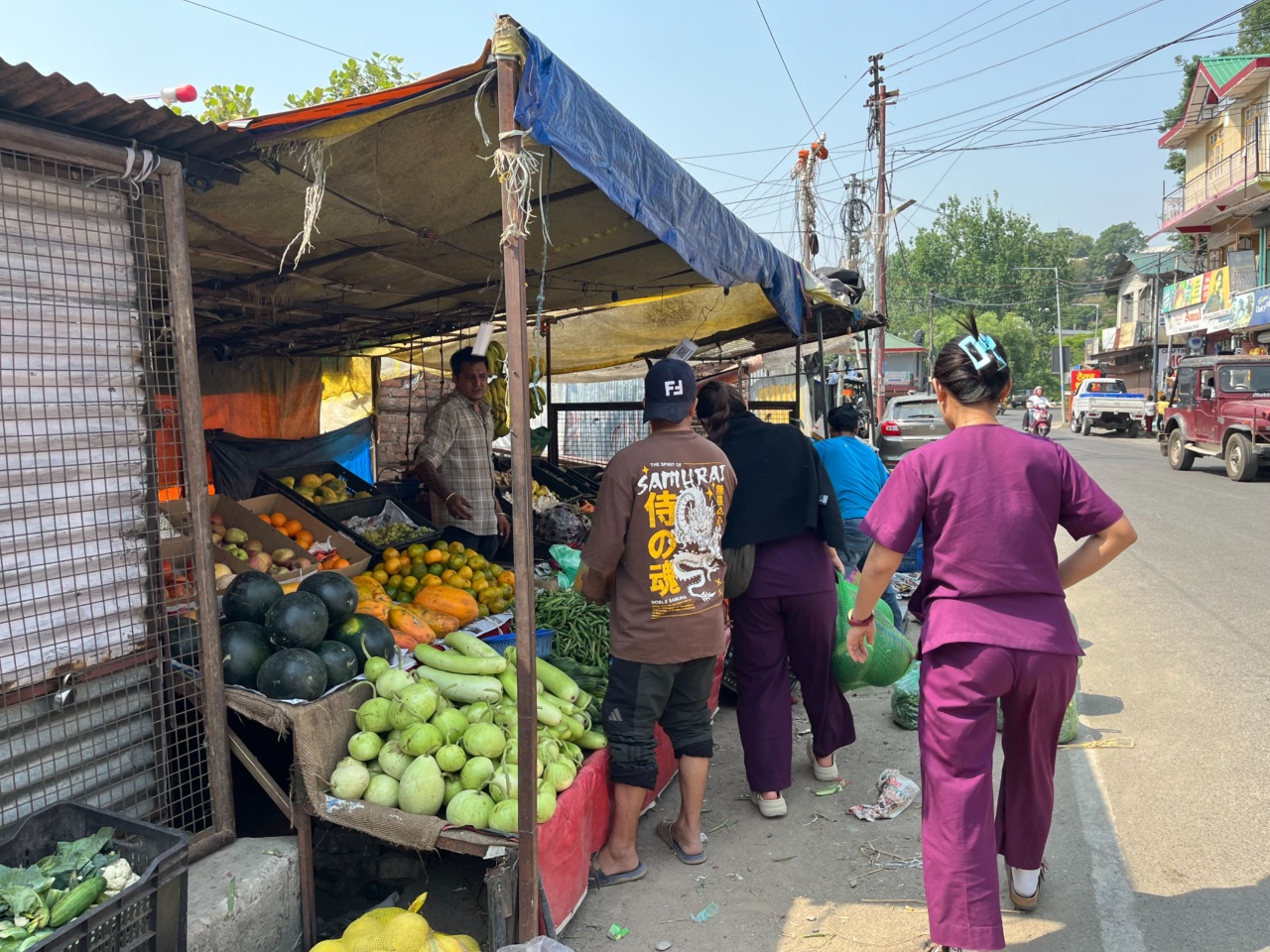
Image 2. Nurses at a local market purchasing fresh fruit.
When we arrive, someone from Nyingtob-ling opens the gates. We are welcomed with hugs from the same female staff member. She is much older than me, but still refers to me as acha (older sister) out of respect.
We have some time to settle with chai and biscuits. Then the team springs into motion. Each person has a role: one nurse sets up the needles and syringe for the Mantoux Tuberculin skin test; another two nurses set up the portable X-ray machine—a hot commodity in Dharamsala, they tell me. Other organizations would ask to rent it.
The doctor and a nurse set up a makeshift consultation area, using chairs and tables at the home. In no time, the residents are lined up. One by one, they each make their way to the various stations—some fearful of the skin test, others gleeful at the prospect of participating in something different that day.
The driver mans the portable X-ray machine. He is swift. Apparently, he has administered many skin tests in the past. I can see that, here, roles exist arbitrarily—if you can help out, you just help out.
The screening process took no more than two hours. Afterwards, the Nyingtob-ling team set up a delicious lunch for all of us visiting from Delek. What a feast.
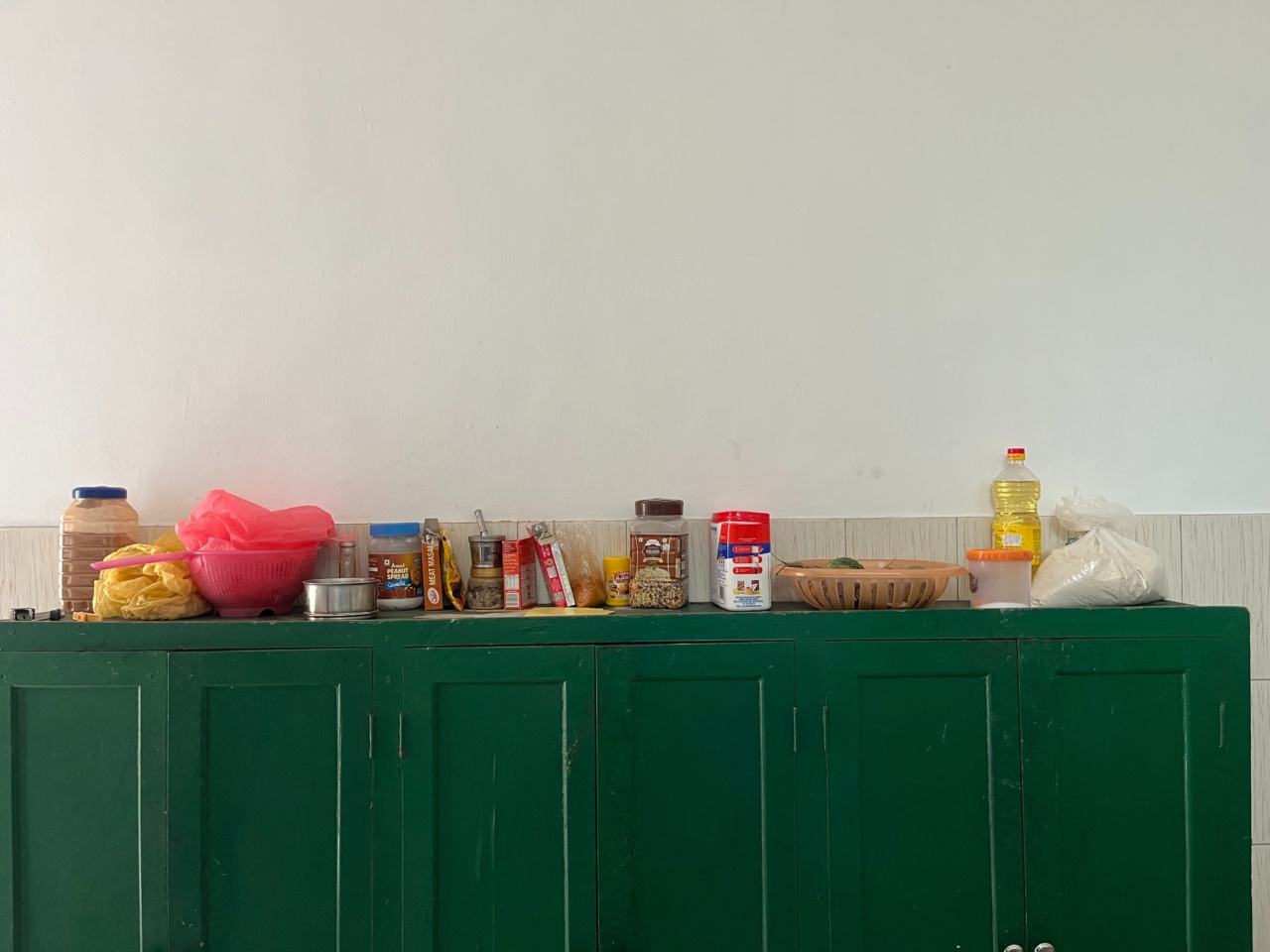
Image 3. Food and household supplies prepared within the community setting.
I watch the team pack the heavy X-ray equipment back into the van. In Dharamsala, TB is so much more than just a diagnosis, and treatment is so much more than a medicine. It is about people coming together, as they probably would for any issue or concern or ‘threat’. It is not about being afraid of an adversity but accepting it as a reality and doing whatever is seen as necessary to help manage it. At Nyingtob-ling, the boundaries between doctor, driver, and researcher are blurred in favour of a collective goal: ensuring no one is left behind. This is not just about patient-provider relationships, trust and quality of care – notions that are replete in the social science TB literature. I am reminded of a more relational concept that is not limited to the borders of health care systems – community resilience 1-3. I must return to the migrant literature and read more.
Field Note — June 24, 2025
Currently witnessing two nurses counsel an extremely nervous patient – cho-cho (older brother in Tibetan). He is worried about how severe his diagnosis may be. He has pulmonary MDR-TB, and it has spread to his spine. He is worried that he has the “worst kind” of TB.
The nurses are being very patient and kind. Nurses here play so many different roles, taking on multiple responsibilities regardless of their degrees, job descriptions or expertise. I’m so glad that this patient feels comfortable enough to speak to the nurse in such a personal manner. Nurse DL is being especially patient and personable; it is inspiring.
I go out for a little bit. I don’t want to make cho-cho uncomfortable with my presence.
References
Castleden M, McKee M, Murray V, Leonardi G. Resilience thinking in health protection. J Public Health (Oxf). 2011 Sep;33(3):369-77. doi: 10.1093/pubmed/fdr027. Epub 2011 Apr 6.
Norris FH, Stevens SP, Pfefferbaum B, Wyche KF, Pfefferbaum RL. Community resilience as a metaphor, theory, set of capacities, and strategy for disaster readiness. Am J Community Psychol. 2008 Mar;41(1-2):127-50. doi: 10.1007/s10464-007-9156-6.
Mwanri L, Fauk NK, Mude W, Gesesew HA. Migration, Resilience, Vulnerability and Migrants’ Health. Int J Environ Res Public Health. 2022 Sep 13;19(18):11525. doi: 10.3390/ijerph191811525.
—
Nawang Yanga is a PhD candidate in Health Policy & Equity at York University, Canada. Her doctoral supervisor is Amrita Daftary. This field dispatch draws on Nawang’s doctoral research, that was approved by Delek Hospital and the York University Office of Research Ethics.
