Details
The LIGHT impact case studies showcase how its research contributed to real-world change through strong partnerships, participatory, qualitative and quantitative methods, and a clear focus on evidence use. LIGHT is a six-year cross-disciplinary global health research programme funded by UK aid, led by LSTM in collaboration with partners in Kenya, Malawi, Nigeria, Uganda, and the UK. LIGHT set out to support policy and practice in transforming gendered pathways to health for people with TB in urban settings.
LIGHT combined capacity strengthening, research uptake and collaborative research approaches to build lasting collaboration among researchers, National TB Programmes, policymakers, journalists, and TB-affected communities, ensuring research directly informs policy and practice. In Kenya and Malawi, LIGHT generated new evidence on the distinct challenges adolescents and young adults face across the TB care pathway through arts-based participatory approaches, qualitative and quantitative methods, informing more youth-friendly and gender-responsive TB services and positioning young people not as passive recipients of care, but as active contributors to designing better TB responses. Working across Uganda and Kenya with healthcare workers, survivors, and policymakers, LIGHT moved from identifying barriers to TB care to agreeing practical solutions.
Evidence shows that a co-created facility-based screening strategies to reach the “missing men” increased TB notifications among men without reducing notifications among women. LIGHT’s work in Nigeria and Uganda placed people affected by TB at the centre of research, dialogue, and action. Through qualitative and participatory approaches, including photovoice, LIGHT generated new evidence with TB survivors, families, healthcare workers, and community leaders on the structural and gendered barriers that shape TB care. It also built confidence, skills, and visibility among TB- affected communities and showed that people with lived experience can do far more than tell their stories — they can influence policy discussions and drive locally owned action that reduce TB stigma and increase TB knowledge and notifications.
The LIGHT case studies offer practical lessons and recommendations for researchers, policymakers, and partners working to strengthen capacity and partnerships, influence policy and practice, and achieve real-world impact toward more equitable, gender-responsive approaches to TB.
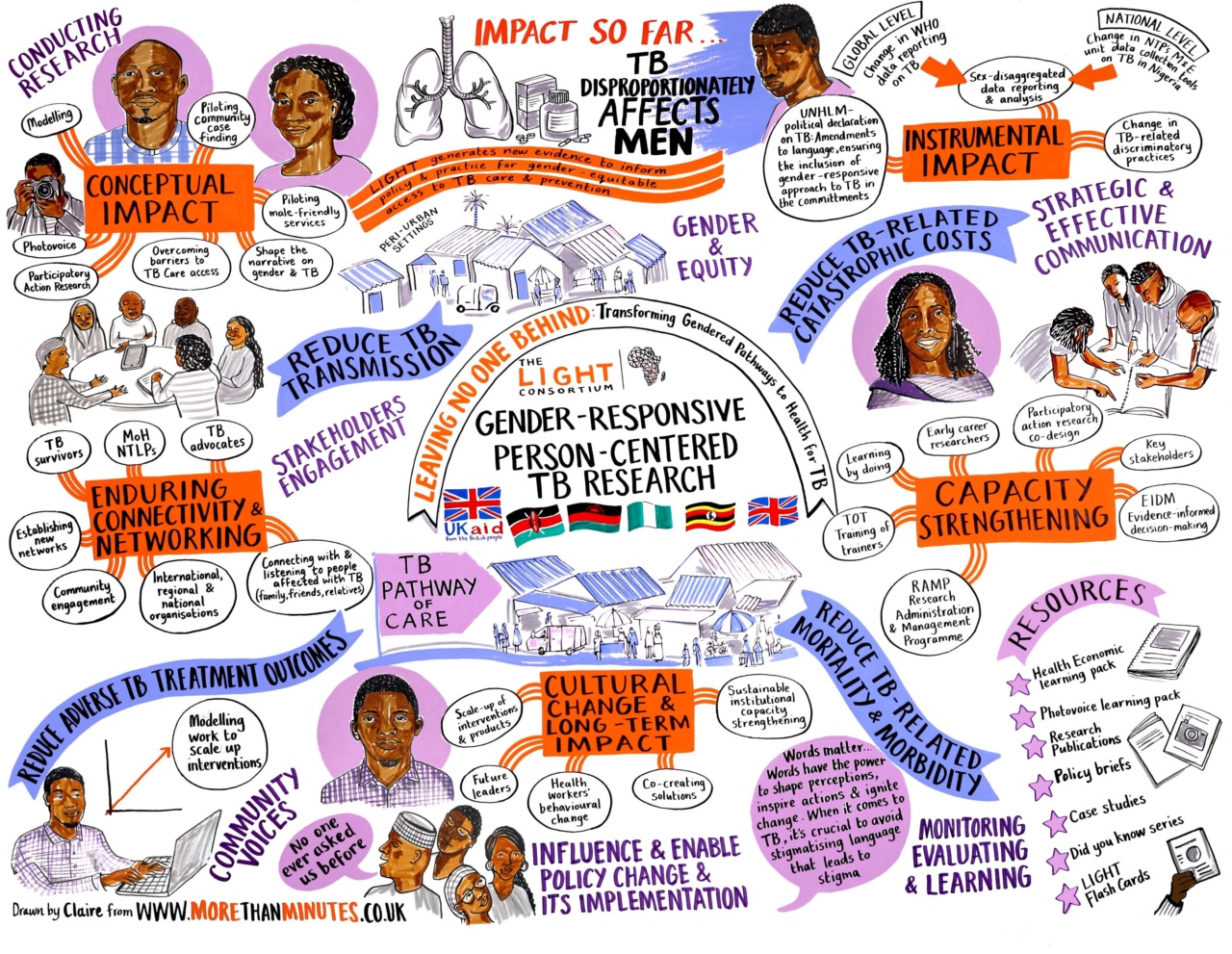
Image 1: Visual summary of gender-responsive TB research and its impact.
—
Beate Ringwald, Lecturer at Liverpool School of Tropical Medicine, working with LIGHT and the LSTM’s Centre for TB Research.
Jasper Nidoi, early-career researcher with the LIGHT Consortium at Makerere University Lung Institute, Uganda.
Chukwuebuka Ugwu, early career researcher with the LIGHT Consortium at Zankli Research Centre, Nigeria.


